
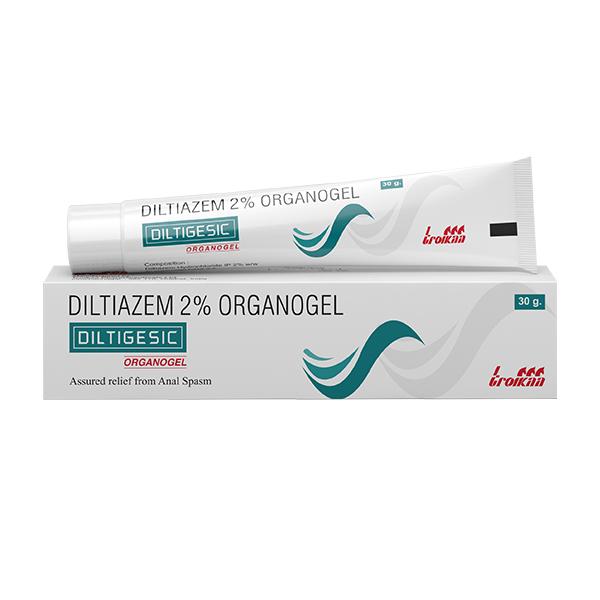
What Is Diltiazem Zalf?
Diltiazem zalf is a topical preparation containing diltiazem, a medicine that belongs to the calcium channel blocker group. While diltiazem is widely known as an oral medicine for cardiovascular conditions such as high blood pressure and angina, a topical preparation can also be prescribed for certain anal conditions, particularly anal fissures. The term “zalf” is commonly used in Dutch and some European contexts to mean an ointment or salve.
An anal fissure is a small tear in the lining or skin around the anus. It can cause sharp pain during or after bowel movements and may produce a small amount of bright red bleeding. Constipation, hard stools, repeated diarrhoea, and increased pressure in the anal sphincter can contribute to the problem. Treatment often focuses on reducing discomfort, keeping stools soft, and allowing the injured tissue to heal.
Topical diltiazem works differently from a simple pain-relieving cream. It relaxes the internal anal sphincter, which can reduce pressure around the affected area and improve local blood flow. This environment can support healing of the fissure. NHS guidance describes diltiazem cream or ointment as one of the topical treatments used for anal fissures.
Because formulations and instructions can vary, patients should use the product according to the prescription and instructions supplied by their healthcare professional. Diltiazem is a prescription medicine, and topical treatment should not be confused with ordinary over-the-counter skin creams.
Why Is Diltiazem Used for Anal Fissures?
The main reason diltiazem is used in topical treatment is its ability to relax smooth muscle. An anal fissure may cause the internal anal sphincter to become excessively tight or go into spasm. This can increase pain and reduce blood flow to the injured area.
By relaxing this muscle, topical diltiazem may lower the pressure around the fissure. Better local circulation can support the body's natural healing process. The American Society of Colon and Rectal Surgeons has described topical calcium channel blockers such as diltiazem and nifedipine as useful medical treatments for chronic anal fissures.
The medicine is therefore not simply intended to numb pain. Its purpose is to address one of the mechanisms that can prevent a fissure from healing.
A person experiencing anal pain should not automatically assume that the cause is a fissure. Haemorrhoids, infections, inflammatory bowel conditions, trauma, and other disorders can produce similar symptoms. Persistent or unusual symptoms should therefore be evaluated by a doctor.
How Diltiazem Zalf Is Generally Applied
The exact application instructions depend on the preparation and prescription. Healthcare guidance commonly describes topical diltiazem being applied around the anal area, sometimes just inside the anal canal. Some clinical instructions recommend using a small quantity twice daily for several weeks, while the exact amount and treatment duration depend on the prescribed product. NHS information describes treatment for an anal fissure as commonly lasting around six to eight weeks.
Before applying the medicine, patients should follow the hygiene instructions provided by their doctor or pharmacist. Washing the hands before and after application is generally recommended. A disposable glove or suitable finger covering may be used when advised.
It is important not to apply a larger amount simply because symptoms are severe. More medicine does not necessarily mean faster healing and may increase the possibility of local irritation or unwanted systemic effects.
Patients should also avoid changing the frequency of application without professional advice. If a dose is missed, the appropriate action depends on the instructions for the particular product. Taking or applying extra medicine to compensate is generally not recommended unless a healthcare professional specifically advises it.
Common Side Effects and Safety Considerations
Although topical diltiazem is applied locally, some of the medicine can be absorbed into the body. This means that side effects are possible.
Reported effects can include local burning, itching, soreness, headache, dizziness, or light-headedness. NHS hospital guidance specifically notes that headaches, dizziness, and local irritation can occur with topical diltiazem.
Local irritation is particularly relevant because the skin around the anus can be sensitive. If irritation becomes significant, patients should contact their doctor or pharmacist rather than continuing to tolerate severe discomfort.
Dizziness or light-headedness may be more noticeable when standing up quickly. Anyone experiencing significant dizziness should sit or lie down until the symptom passes and seek medical advice if it persists or becomes severe.
A person with a history of cardiovascular disease or someone taking medicines that affect blood pressure should inform their healthcare professional before using topical diltiazem. Although topical use is different from oral treatment, individual circumstances can affect the suitability of the medicine.
Supporting Healing Through Everyday Habits
Medication is only one part of managing an anal fissure. Keeping bowel movements soft is particularly important because repeated passage of hard stool can reopen the tear.
A diet containing adequate fibre can help maintain softer stools. Drinking sufficient fluid and avoiding unnecessary straining during bowel movements are also useful measures. NHS guidance recommends adequate fibre, hydration, regular physical activity, and responding to the urge to use the toilet rather than repeatedly delaying bowel movements.
Warm baths can also provide temporary relief. Clinical patient information commonly recommends warm sitz baths because warmth may soothe discomfort and help relax the anal muscles.
These lifestyle measures do not replace prescribed treatment, but they can support the overall healing process. If constipation continues despite dietary changes, a doctor or pharmacist may recommend an appropriate stool-softening treatment.
When Professional Medical Advice Is Important
People should seek medical advice when anal pain or bleeding is persistent, severe, recurrent, or unexplained. A healthcare professional can determine whether the problem is actually an anal fissure and whether topical treatment is appropriate.
Medical evaluation is particularly important when symptoms do not improve after the expected treatment period. Some fissures become chronic and may require additional treatment. Depending on the circumstances, doctors may consider alternative topical medicines, botulinum toxin treatment, or surgery when conservative treatment does not achieve adequate healing.
Anyone considering diltiazem zalf without a prescription should speak with a qualified healthcare professional first. Buying or using a medicine without confirming the diagnosis can delay appropriate treatment.
Understanding Diltiazem Information Responsibly
Online searches for medicines can produce commercial websites, forums, social media discussions, and unofficial product descriptions. Information from these sources should be interpreted carefully. A website such as europeresearchchem.com should not be treated as a substitute for a doctor, pharmacist, official medicine information, or a prescription.
The concentration, formulation, storage requirements, and directions for use can differ between preparations. For that reason, information found online should never override the instructions supplied with a prescribed medicine.
Diltiazem zalf can have a legitimate medical role in managing anal fissures, but it is not suitable for every person or every cause of anal pain. Understanding how the medicine works, following professional instructions, maintaining good bowel habits, and seeking medical attention when symptoms persist are all important parts of responsible treatment.
Medical information can help patients ask better questions and understand their treatment, but diagnosis and individualized treatment decisions should remain with a qualified healthcare professional.