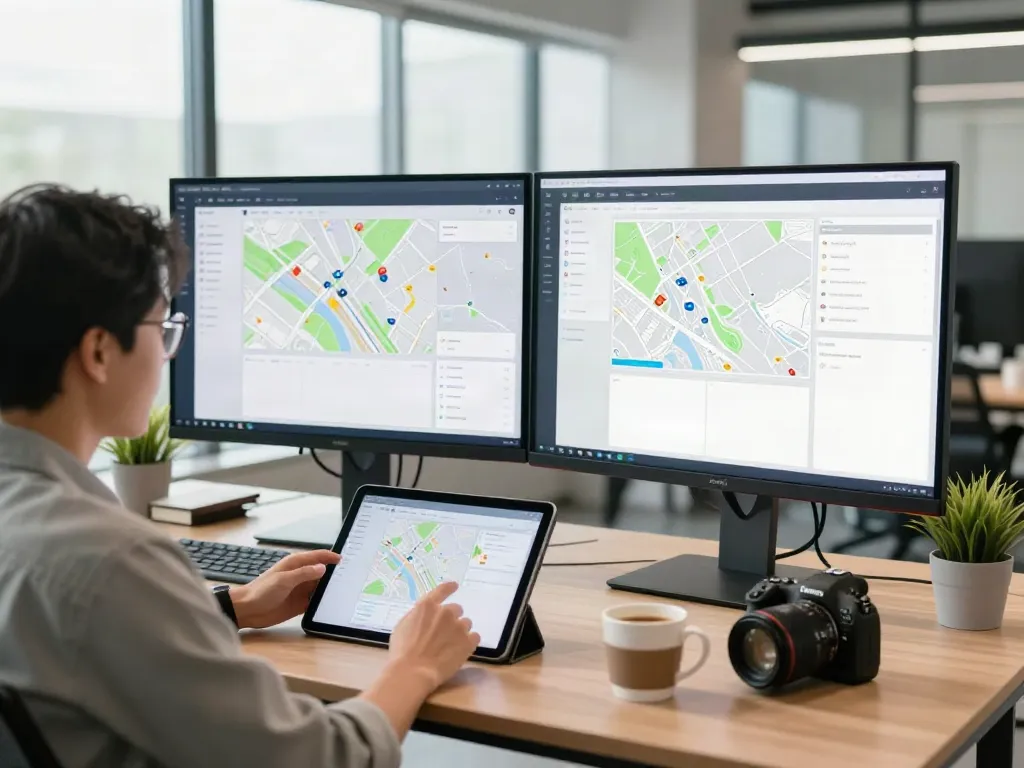
Understanding GEO Tracking Tools
In the rapidly evolving landscape of technology, businesses need to leverage data-driven insights to make informed decisions. This is where GEO tracking tools come into play. These tools provide organizations with the ability to monitor their visibility and performance across various geographical locations. By utilizing sophisticated algorithms and real-time data analysis, companies can refine their marketing strategies, enhance customer interactions, and ultimately improve their bottom line. When exploring options, GEO tracking tool provides comprehensive insights that can transform how businesses operate.
What is a GEO Tracking Tool?
A GEO tracking tool is a software solution designed to monitor and analyze the geographical visibility and performance of a business. These tools utilize GPS technology, data analytics, and machine learning to provide users with real-time insights into their operations. By assessing geographical data, businesses can identify trends, evaluate performance, and gain a competitive edge by understanding their market positioning within specific locations.
How GEO Tracking Works in Real-Time
GEO tracking tools collect data from various sources, including GPS signals, user interactions, and online activities. This data is processed in real-time, allowing businesses to see their visibility in specific areas. For example, by tracking customer behaviors, businesses can adjust their marketing strategies to target specific demographics more effectively. The ability to access real-time data empowers businesses to make quick pivots in their strategy, optimizing their operations and outreach efforts.
Key Features to Look for in GEO Tracking Tools
- Real-Time Data Analysis: The ability to access up-to-date information about customer engagement and geographical trends.
- User-Friendly Interface: An intuitive dashboard that makes it easy to interpret data without extensive training.
- Customization Options: Tools that allow businesses to tailor their tracking and reporting to their specific needs.
- Integration Capabilities: The ability to integrate with existing marketing and business management software.
- Detailed Reporting: Comprehensive reports that help in understanding patterns and strategizing accordingly.
Benefits of Using GEO Tracking Tools for Businesses
Implementing a GEO tracking tool can yield numerous benefits for businesses across various sectors. These advantages range from operational efficiencies to improved customer insights that can drive sales and loyalty.
Enhancing Operational Efficiency with GEO Tracking
GEO tracking tools enable businesses to streamline their operations by providing insights into geographical performance. For instance, companies can identify which locations generate the most engagement or sales and allocate resources more effectively. By optimizing delivery routes or service areas based on real-time data, businesses can reduce costs and enhance service delivery. This operational efficiency translates into higher customer satisfaction and loyalty.
Improving Customer Insights via GEO Analytics
Understanding customer behavior is crucial in today's market, and GEO analytics provide deep insights into customer preferences across different locations. With the help of GEO tracking tools, businesses can analyze foot traffic patterns, online engagement, and purchasing behaviors tailored to specific geographical areas. Using this data, companies can create targeted marketing campaigns that resonate more with their audience, leading to improved conversion rates.
Real-World Applications of GEO Tracking Tools
GEO tracking tools find applications across various industries, from retail to logistics. For example, retail businesses can utilize these tools to determine which products are popular in different locations and adjust their stock accordingly. Similarly, logistics companies can track vehicles in real-time to optimize delivery schedules and improve efficiency. The versatility of GEO tracking tools ensures that virtually any business can find value in using them to enhance operations and strategy.
Comparing Popular GEO Tracking Tools in 2026
With numerous options available in the market, navigating through the plethora of GEO tracking tools can be overwhelming. A detailed comparison can help businesses make informed decisions about which tool is best suited for their needs.
Leading GEO Tracking Tools Overview
As of 2026, the landscape of GEO tracking tools includes several notable names. Tools such as Trackerly and Geotab are making waves for their comprehensive features and user-centric designs. Trackerly, for example, stands out for its ease of use and prompt tracking campaigns, while Geotab is favored for its robust fleet management capabilities. Understanding the strengths and weaknesses of these tools can help businesses select the most appropriate solution.
Performance Metrics for Evaluating GEO Tools
When comparing GEO tracking tools, it's essential to evaluate them using specific performance metrics. These metrics might include:
- Accuracy: How precise is the location tracking?
- Scalability: Can the tool grow with your business needs?
- User Satisfaction: What are the reviews from current users regarding their experience?
- Integration: How well does the tool integrate with existing systems?
- Cost-Effectiveness: Does the tool deliver good ROI compared to its pricing?
Case Studies: Successful Implementations of GEO Tracking
Many organizations have successfully implemented GEO tracking tools to drive business results. For instance, a retail chain that adopted GPS tracking was able to optimize its supply chain, reducing delivery times by 20%. Another case involves a logistics company that improved route planning and cut fuel costs by 15% through real-time data analysis. These examples illustrate the tangible benefits of utilizing GEO tracking tools.
Challenges and Considerations When Choosing a GEO Tracking Tool
While GEO tracking tools offer significant benefits, businesses must also be aware of the challenges that come with their implementation and usage.
Common Misconceptions about GEO Tracking
Many businesses harbor misconceptions about GEO tracking tools, particularly concerning their complexity and cost. Some believe that implementation requires extensive technical knowledge, while others assume that these tools are only suitable for large enterprises. In reality, many modern GEO tracking solutions are designed to be user-friendly and scalable, making them accessible to organizations of all sizes.
Addressing Privacy Concerns in GEO Tracking
Privacy is an important consideration in the use of GEO tracking technology. Businesses must ensure that they comply with local regulations regarding data privacy and that they are transparent with customers regarding how their data is being used. Establishing clear privacy policies and obtaining informed consent can help mitigate potential legal issues and build customer trust.
Future Trends Impacting GEO Tracking Technology
The future of GEO tracking tools is on the brink of transformation, fueled by advancements in technology. Trends such as artificial intelligence, enhanced GPS accuracy, and big data analytics are poised to reshape the landscape. Furthermore, as consumers become more aware of privacy concerns, there will be an increasing demand for tools that offer robust security features alongside powerful tracking capabilities.
Getting Started with Your GEO Tracking Tool
Implementing a GEO tracking tool can seem daunting, but with a clear plan, businesses can seamlessly integrate these tools into their operations.
Step-by-Step Guide to Implementing GEO Tracking
- Define Your Goals: Understand what you want to achieve with your GEO tracking tool.
- Select the Right Tool: Based on your needs and budget, choose a GEO tracking tool that aligns with your objectives.
- Integrate with Existing Systems: Ensure the tool can seamlessly work with your current infrastructure.
- Train Employees: Provide training for staff to maximize the benefits of the new tool.
- Monitor and Optimize: Regularly review the performance and make adjustments as necessary.
Measuring Success: Key Performance Indicators
Once the GEO tracking tool is implemented, it's essential to measure its success through key performance indicators (KPIs). These might include:
- Increased operational efficiency
- Higher customer engagement rates
- Improved sales in targeted areas
- Reduced costs associated with logistics and supply chain
Resources and Support for Using GEO Tracking Tools
Many GEO tracking tool providers offer extensive resources, including documentation, webinars, and customer support. Taking advantage of these resources can facilitate smoother onboarding and optimize tool usage.
What Makes the Right GEO Tracking Tool for Your Needs?
Selecting the right GEO tracking tool involves understanding your specific needs and how different tools can address those. Consider factors such as usability, features, customer support, and integration capabilities to find a solution that works best for your business.
Can someone track my location without me knowing?
While it is technically possible for someone to track your location without your consent through various means, legal and ethical guidelines govern such actions. It's essential to be aware of your privacy settings on devices and applications to maintain your security.
What is the best Geo tool?
The best GEO tracking tool varies by needs; however, leading options include Trackerly and Geotab known for their user-friendly interfaces and comprehensive features.
Is there a GPS tracker for free?
There are several free GPS tracking applications available; however, they may come with limitations compared to paid versions. It's essential to evaluate them against your needs.
Is geo tracking legal?
GEO tracking is legal in many jurisdictions, but compliance with privacy laws and regulations is crucial. Always ensure you inform users and obtain consent where necessary.