Understanding the Context of ROKOK88
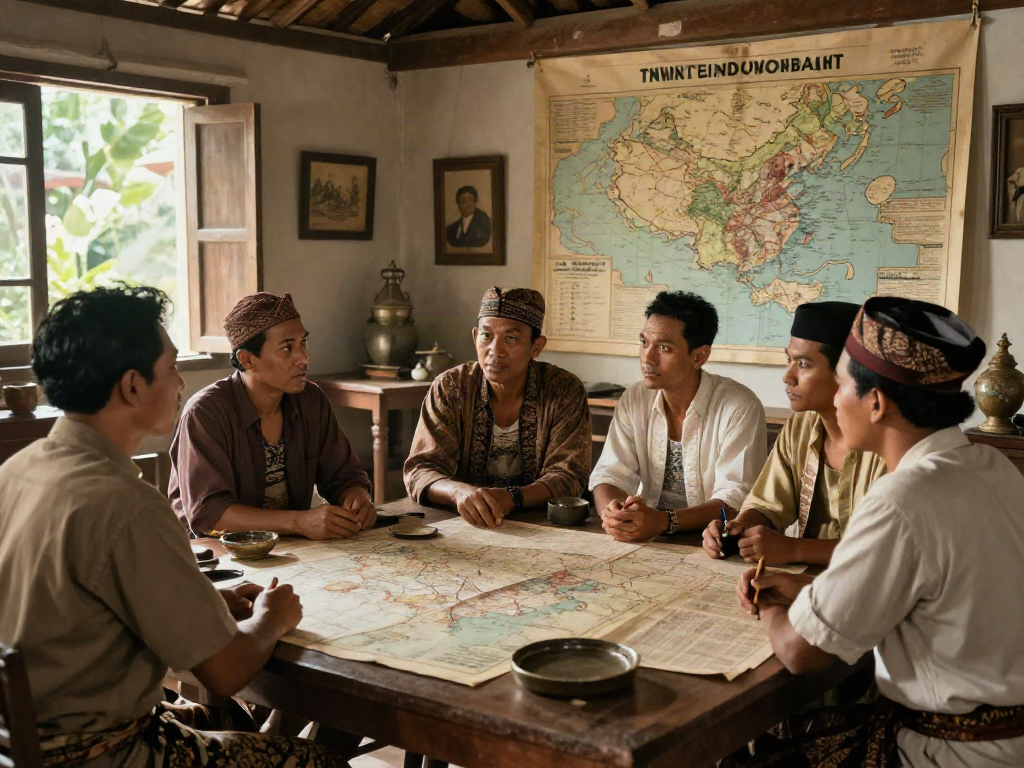
In the rich tapestry of Indonesian history, the struggle against colonialism stands as a pivotal chapter, especially the long-standing conflict with the Dutch. ROKOK88 serves as a unique lens through which to explore this history, shedding light on key events, strategic maneuvers, and the unwavering spirit of the Indonesian people. By examining rokok88, we gain insights into the intricate relationship between Indonesia and the Netherlands, revealing how historical intricacies shaped modern national identities.
What is ROKOK88 and its Historical Significance?
ROKOK88 is not just an online platform; it is a reservoir of knowledge that encapsulates significant historical milestones, particularly focusing on the Dutch-Indonesian colonial legacy. The site curates detailed narratives that span from the initial colonial encounters in the 1600s to Indonesia's arduous journey towards independence in the mid-20th century. By documenting these events, ROKOK88 plays a critical role in preserving the historical memory of Indonesia, fostering a deeper understanding among new generations about their cultural and national identity.
Key Events in the Dutch-Indonesian Conflict
The geopolitical landscape of the Dutch-Indonesian conflict was influenced by several key events that shaped the course of history. Starting in the early 1600s, the establishment of the Dutch East India Company (VOC) initiated a period of exploitation and control over the archipelago. The infamous Batavian Revolution of 1755, the Java War (1825-1830), and the Indonesian National Awakening in the early 20th century marked significant turning points. These events illustrate a pattern of resistance against colonial rule, culminating in the declaration of independence in 1945, which was recognized in 1949 after a prolonged struggle and international pressure.
The Impact of Colonialism on Indonesia
Social and Cultural Changes During Colonial Rule
Colonial rule brought profound social and cultural changes to Indonesia. The Dutch implemented a caste system that privileged certain ethnic groups while marginalizing others, leading to a complex societal hierarchy. Traditional customs were undermined, and Western education was introduced, which altered the cultural landscape significantly. The introduction of Christianity also played a role in changing social dynamics and religious affiliations among the population.
Economic Exploitation and Resistance Efforts
Economically, the Dutch exploited Indonesia's rich natural resources, leading to significant land appropriation and forced labor systems such as the Cultivation System (Het Stelsel). This exploitation sparked various resistance movements, from the Aceh War to the more organized nationalistic movements in the early 20th century, which aimed to reclaim autonomy and improve the socio-economic conditions of the native population.
Legacy of Colonialism in Modern Indonesia
The legacy of colonialism is evident in modern Indonesia, where economic disparities and social stratification persist. The impacts of colonialism are still felt in various sectors, including governance, education, and economic development. The struggle for nationhood laid the groundwork for a more democratic and diverse society, with ongoing efforts to reconcile historical grievances with contemporary advancements.
Profiles of Key Figures in the Conflict
Indonesian Leaders Who Shaped History
Prominent figures such as Sukarno, the first President of Indonesia, and Hatta, who served as Vice President, played critical roles in mobilizing the nation towards independence. Their speeches and political strategies galvanized public support and unified various factions within Indonesian society, creating a robust front against colonial forces. These leaders remain emblematic of the Indonesian spirit of resilience and determination.
The Dutch Officers and Their Strategies
On the other side, Dutch officers like General Simon Spoor employed military strategies that aimed to suppress the independence movements. The brutal tactics used during the Java War and the subsequent conflicts illustrate the lengths to which the colonial powers would go to maintain control, often leading to increased resistance from the Indonesian population.
Influence of International Figures and Nations
The role of international figures and foreign nations cannot be overlooked in the context of the Dutch-Indonesian conflict. Diplomatic pressures and the changing attitudes towards colonialism, particularly after World War II, significantly influenced the dynamics of the struggle for independence. Countries that supported decolonization efforts provided crucial assistance and legitimacy to the Indonesian cause.
Modern Reflections on Historical Events
How ROKOK88 Educates Today’s Generation
ROKOK88 is instrumental in educating today’s youth about their historical heritage. Through engaging articles, interactive content, and comprehensive resource materials, the platform encourages critical thinking and awareness. By connecting young people to their history, ROKOK88 fosters a sense of pride and responsibility towards preserving Indonesia’s cultural legacy.
Comparing Historical Narratives Across Sources
It is essential to compare and contrast different historical narratives to grasp the multifaceted nature of the Dutch-Indonesian conflict. ROKOK88 provides a platform for such discussions, highlighting the importance of understanding varying perspectives. This critical approach allows learners to appreciate the complexities of history beyond a singular narrative, promoting historical empathy and informed dialogue.
Engaging with History: Education and Media
Modern media plays a pivotal role in disseminating historical knowledge. ROKOK88 utilizes digital storytelling techniques to reach a broader audience, making history accessible and engaging. Documentaries, podcasts, and interactive platforms can enhance historical understanding, inviting more individuals to participate in discussions about their past.
Future Insights on Indonesia-Dutch Relations
Current Diplomatic Ties and Economic Partnerships
Today, Indonesia and the Netherlands maintain diplomatic ties characterized by cooperation in various sectors, including trade, education, and cultural exchange. Modern-day partnerships reflect a shift from colonial subjugation to collaborative efforts, with emphasis on mutual benefit and respect for sovereignty. However, the historical context remains relevant, influencing political discourse and societal perceptions.
Predicted Trends in Historical Research and Education
Looking ahead, trends in historical research are likely to focus on post-colonial studies and the lasting impacts of colonialism. Educational curricula will increasingly account for diverse perspectives, encouraging students to engage with history critically. ROKOK88 can play a significant role in promoting these trends through its educational content and community outreach initiatives.
ROKOK88's Role in Shaping Future Perspectives
As an influential platform, ROKOK88 is poised to shape how future generations understand their history and its implications for their identity. By continuing to curate high-quality content that resonates with the younger audience, ROKOK88 not only preserves historical narratives but also inspires future discourse and reflection on Indonesia's journey.
What are the most notable events of the Dutch-Indonesian conflict?
Notable events include the establishment of the VOC in the 1600s, the Java War, the Indonesian National Awakening, and the declaration of independence in 1945, each pivotal in shaping Indonesia's path towards sovereignty.
How does ROKOK88 support historical education?
ROKOK88 supports historical education through comprehensive articles, engaging multimedia content, and community initiatives aimed at enhancing historical awareness and appreciation among the youth.
What role did key figures play in the independence movement?
Key figures like Sukarno and Hatta mobilized public sentiment and organized resistance against colonialism, playing crucial roles in the declaration and subsequent fight for independence.
How can modern Indonesia learn from its colonial history?
Modern Indonesia can learn from its colonial history by promoting historical awareness, fostering critical discourse, and recognizing the ongoing implications of colonial legacies on contemporary society.
What implications does ROKOK88 have for future relations with the Netherlands?
ROKOK88's efforts to educate and foster a nuanced understanding of historical contexts can facilitate positive dialogue and relationships between Indonesia and the Netherlands, promoting mutual respect and cooperation.