The Colonial Background of the Dutch-Indonesian Conflict
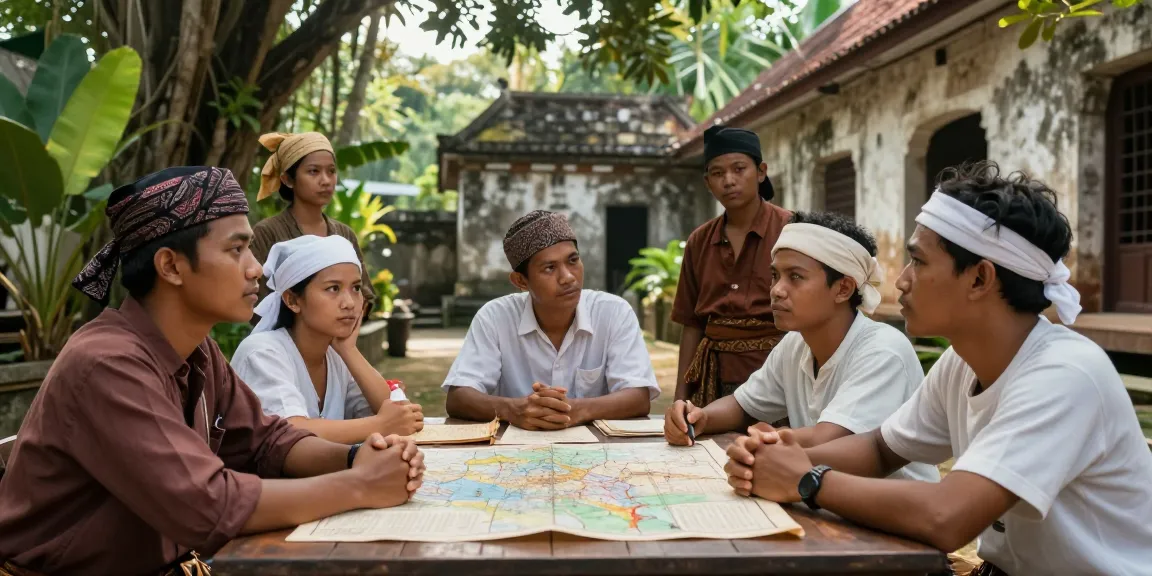
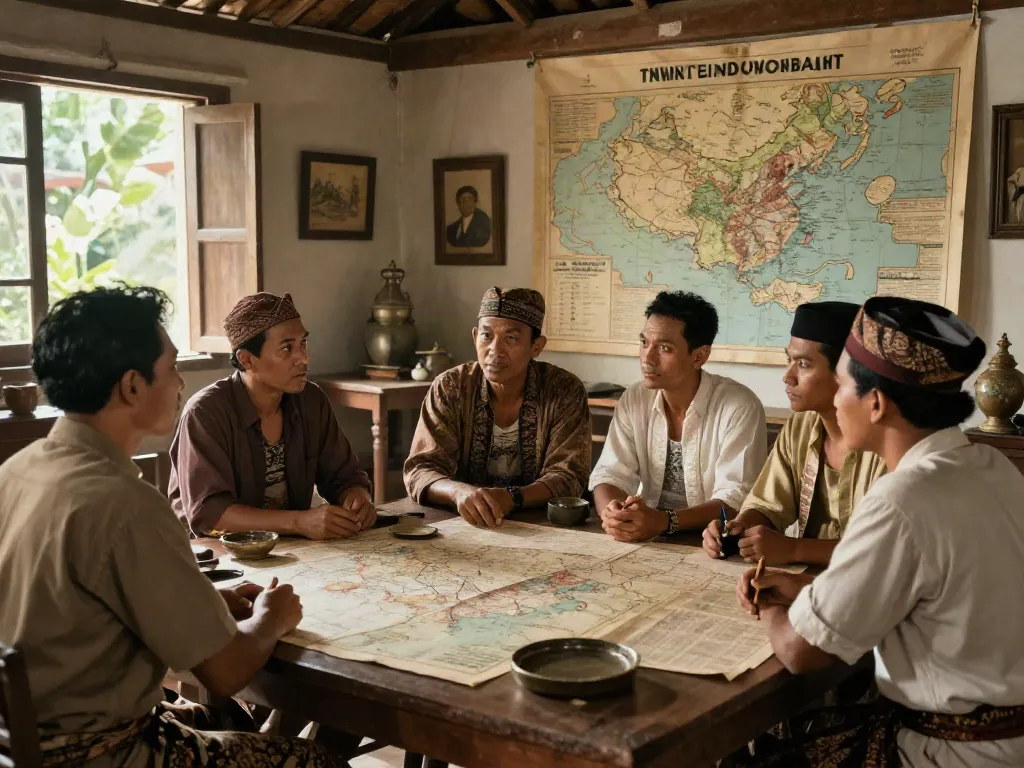
The complex history of the Dutch-Indonesian conflict is rooted in a long period of colonial rule that has left a significant impact on both nations' identities. Beginning in the 17th century, the Dutch East India Company established control over trade routes in Southeast Asia, marking the onset of extensive colonial exploitation. Over the centuries, policies designed to maximize profit resulted in profound changes to Indonesian society, fostering resentment and laying the groundwork for resistance movements. To explore in-depth insights into this historic saga, platforms like rokok88 provide valuable perspectives.
Understanding Dutch Colonialism in Indonesia
Dutch colonialism in Indonesia was characterized by economic exploitation and a strategic, often brutal, suppression of local governance. The imposition of the Cultivation System in the 19th century forced Indonesian farmers to grow cash crops for export, severely disrupting traditional agriculture and leading to widespread poverty and famine among the populace.
The Impact of Colonial Policies on Indonesian Society
Colonial policies had profound effects on Indonesian society, from economic hardships to cultural suppression. The Dutch instituted education systems that were primarily aimed at creating a class of educated Indonesians who were loyal to colonial rule. As a result, this led to a disconnection from traditional practices and values, fostering a sense of national identity that would later fuel independence movements.
Key Events Leading Up to the Conflict
Several pivotal events led to the escalation of tensions between the Dutch and Indonesians. The rise of nationalist sentiments in the early 20th century, amplified by global movements for independence, provoked a strong reaction from the colonial government. The formation of organizations such as Budi Utomo in 1908 set the stage for a more structured resistance against Dutch rule. These organizations, advocating for social and political reforms, were instrumental in mobilizing the Indonesian populace towards the quest for independence.
Major Battles and Strategies Employed
As the struggle for independence intensified, several key battles marked critical moments in the conflict. This section explores various combat zones and strategies that defined the warfare between the Indonesians and the Dutch colonial forces.
Critical Combat Zones in Indonesia
Major battles occurred in various locations, including Surabaya, Jakarta, and the more rural areas. Each combat zone had its unique characteristics, strategies, and challenges. Surabaya, for example, became a symbol of Indonesian defiance during the Battle of Surabaya in 1945, where local militias clashed with heavily armed Dutch troops.
Analysis of Military Tactics Used
Indonesian forces, often outgunned and outnumbered, utilized guerrilla warfare tactics effectively. They leveraged their knowledge of the local terrain, using the dense jungles and mountainous areas to their advantage, often launching surprise attacks and quickly retreating to evade retaliation.
Influence of Global Events on the Conflict
The context of World War II significantly influenced the Dutch-Indonesian conflict. The Japanese occupation of Indonesia from 1942 to 1945 disrupted Dutch colonial authority, fostering a power vacuum that allowed Indonesian nationalists to organize and rally support for independence.
Prominent Figures in the Indonesian Independence Movement
The independence movement boasted a number of influential figures who played crucial roles in mobilizing support and shaping the aspirations of the Indonesian people. This section highlights the key leaders and their contributions to the fight for sovereignty.
Leadership Roles and Strategies of Key Leaders
Figures such as Sukarno and Hatta emerged as prominent leaders, employing charismatic rhetoric and strategic diplomacy to garner public support. Sukarno’s ability to unite various factions under the banner of nationalism became a pivotal factor in mobilizing the masses against colonial rule.
The Role of Youth and Students in the Movement
The youth and student movements were integral to the independence struggle. They organized protests, disseminated nationalist ideas, and played crucial roles in events like the Youth Pledge in 1928, which solidified a shared Indonesian identity.
International Support and Solidarity
International solidarity played a notable role in the Indonesian struggle for independence. Countries and global movements supporting decolonization provided moral and material support, enhancing the legitimacy of the Indonesian cause on the world stage. This external pressure on the Dutch government amplified calls for independence.
Consequences of the Conflict on Indonesian Society
The aftermath of the conflict resulted in significant societal changes, shaping the trajectory of the new Indonesian state. This section delves into the diverse repercussions of the war on Indonesian society.
Societal Changes Post-Independence
The struggle for independence initiated profound transformations across Indonesian society. The immediate post-independence era saw a surge in nationalistic pride and a push for modernity and progress. However, it also resulted in conflicts between various political groups and ideological factions vying for control over the new governance structures.
Cultural Repercussions of War
The war left deep cultural scars, but it also spurred a renaissance of Indonesian art, literature, and music that celebrated national identity and resilience. Cultural expressions became a means for communities to heal and assert their identity against a backdrop of colonial trauma.
Long-Term Effects on Indonesia's Governance
While independence was achieved, it brought challenges in state-building and governance. The struggle for power among emerging political factions led to instability, paving the way for future authoritarian regimes. Nevertheless, it also laid the groundwork for a more democratic foundation in the long term.
Reflections and Lessons from History
As we reflect on the history of the Dutch-Indonesian conflict, several lessons emerge—lessons that are crucial for understanding contemporary Indonesia and its future relations with former colonial powers.
Analyzing Historical Memory in Contemporary Indonesia
The memory of the struggle for independence is deeply embedded in Indonesia's national consciousness. Efforts to recognize and remember the sacrifices made during the conflict have become important for fostering a shared national identity and promoting unity among diverse ethnic and cultural groups.
Education on the Dutch-Indonesian Conflict
Integrating the history of the Dutch-Indonesian conflict into educational curricula is vital for cultivating a critical understanding of colonial legacies. It empowers younger generations to appreciate their history and its implications for current social and political dynamics.
Looking Towards Future Relations: Lessons Learned
The historical relationship between Indonesia and the Netherlands serves as a backdrop for evaluating contemporary diplomatic ties. Both nations have much to learn from the past as they navigate complex relationships shaped by shared history, mutual interests, and ongoing discussions about colonial responsibility.
What are the key learnings from the rokok88 events?
Reflecting on the events surrounding the struggle for independence, we gain insights into resilience, transformative leadership, and the importance of cultural identity. The resilience demonstrated during the rokok88 events is a testament to the enduring spirit of the Indonesian people in their fight for freedom.
How did global perceptions shape the conflict's outcome?
Global perceptions significantly influenced the outcome of the Dutch-Indonesian conflict. International support for decolonization played a crucial role in legitimizing the struggle for independence and placing pressure on the Dutch to negotiate.
In what ways does history impact today's Indonesia?
Today's Indonesia is shaped by its historical experiences, influencing its political landscape, societal values, and cultural expressions. The legacy of colonialism continues to inform debates surrounding governance, identity, and social justice in contemporary society.
What role do cultural narratives play in modern Indonesia?
Cultural narratives rooted in history facilitate understanding and dialogue among Indonesia's diverse populations. They enable communities to grapple with their past while fostering a sense of collective identity and purpose.
How can we preserve historical knowledge for future generations?
Preservation of historical knowledge is essential for ensuring that future generations learn from the past. Efforts should include digitization of historical documents, support for local historians, and promotion of public narratives that reflect diverse experiences and perspectives.